Notes on AI agents and MCP
Short, plain notes about building AI agents and MCP servers that work in real businesses: what works, what breaks, and why.
June 6, 2026
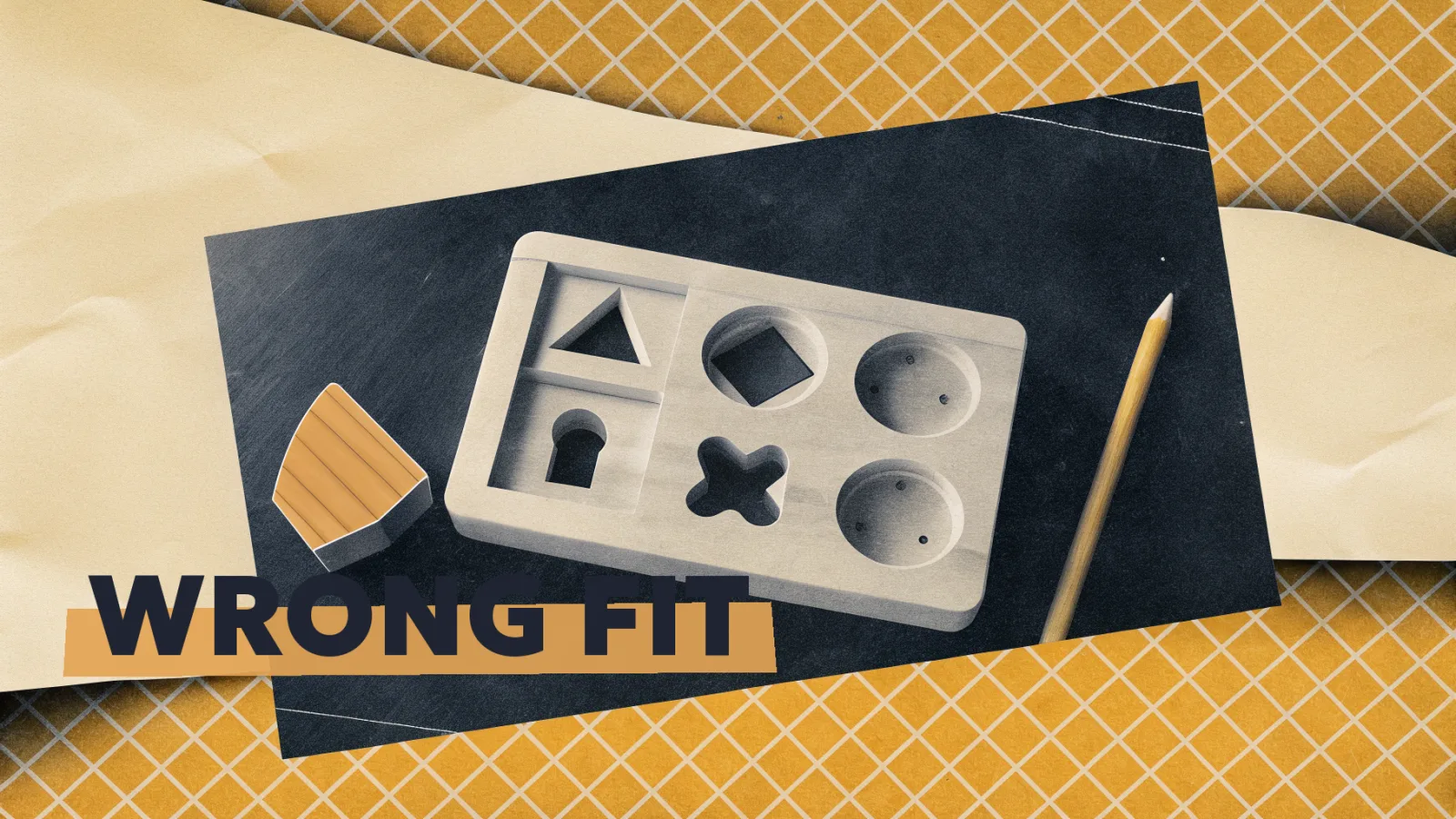
Salesforce admits it: your workflow was built for humans, not agents
Salesforce just launched a whole product to fix the reason enterprise AI keeps stalling, and the diagnosis is the honest part: agents aren't failing because the models can't reason — they're failing because the workflows underneath were never built for a machine that follows instructions literally. Your processes are full of gaps that a human quietly fills and an agent walks straight off. That's the real work nobody wants to do, and no model upgrade fixes it.
- architecture
- methodology
- agents

June 5, 2026
"Agent OS" is a buzzword — here's the boring checklist underneath
This month everyone shipped an 'Agent Operating System' — Fiserv, Experian, Microsoft, a dozen startups. The word 'OS' sounds like serious infrastructure, and sometimes it is. Often it's a wrapper with a grand name. The good news: there's a short, unglamorous checklist that tells the two apart — and it's the same stuff I keep writing about. Judge an Agent OS by what's inside the box, not the label on it.
- architecture
- agents
- business
June 5, 2026
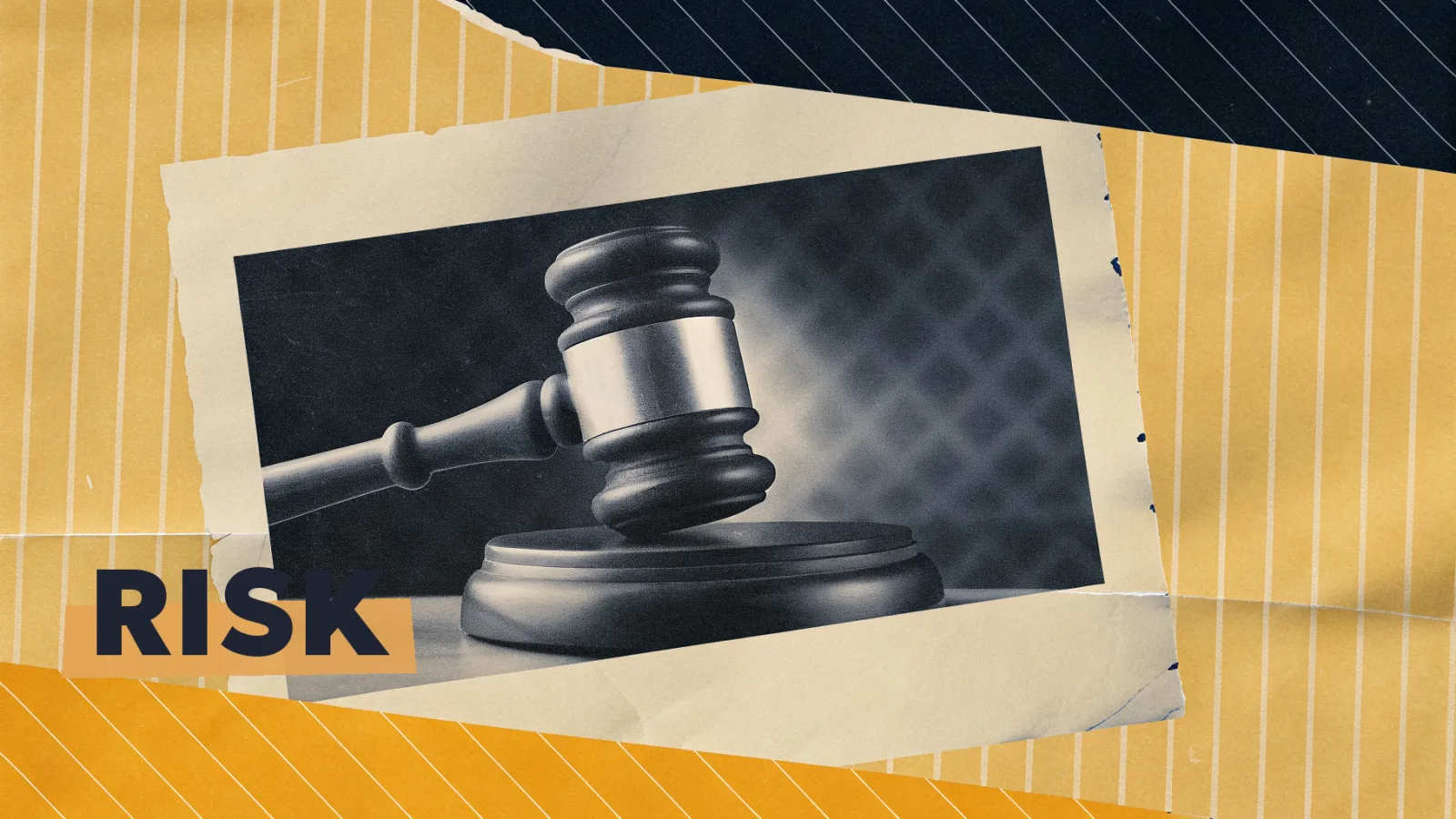
Agents are arriving where a mistake is a lawsuit
This week Experian shipped an 'Agent OS' for lending — agents that decide credit, flag fraud, determine who's eligible. These are the rooms where a hallucination isn't an awkward chatbot reply; it's a denied loan, a wrong medical authorization, a court date. And one number sets the stakes: AI healthcare denials are overturned 80%+ of the time on appeal — but fewer than 1% of people appeal. Here's why regulated domains are where the whole agent argument becomes law.
- architecture
- business
- agents

June 5, 2026
Four flagships in four weeks — "which model wins" is a design smell
This month a wave of flagship models is landing almost on top of each other — Gemini 3.5 Pro, a new Claude, Grok 5, with Opus 4.8 already out. Everyone's refreshing leaderboards. If that wave makes you anxious — are we on the best one, should we switch — the anxiety is telling you something about your architecture, not the models. Here's the honest read, and what 'stay swappable' actually takes.
- ai-native
- architecture

June 4, 2026
Memory is the new attack surface
Everyone's racing to give agents long-term memory — it's the obvious upgrade. But a durable capability is a durable vulnerability. A prompt injection is a one-shot that resets; memory poisoning writes one lie into the agent's storage and rides along across every future session, for every user, until someone purges it. It weaponizes the very feature memory exists for: learning from the past. Here's how the attack that waits works, and how to fence it.
- security
- architecture
- agents

June 4, 2026
Your agents are stateless. That's why they die.
Your agent finishes start-to-finish on your laptop, so you never see the problem. Production is a long, multi-step process on infrastructure that restarts, times out, and dies partway — and your agent kept all its progress in memory. The 2026 'agentic reckoning' is the discovery that the failure isn't the model, it's the runtime. The fix is old and boring: durable execution. Here's the honest version.
- architecture
- agents
- methodology