Notes
Short pieces about the methodology and architecture decisions behind the AI systems I ship — specs, evals, multi-agent orchestration, LLM integration, and the discipline of directing coding agents.
June 4, 2026
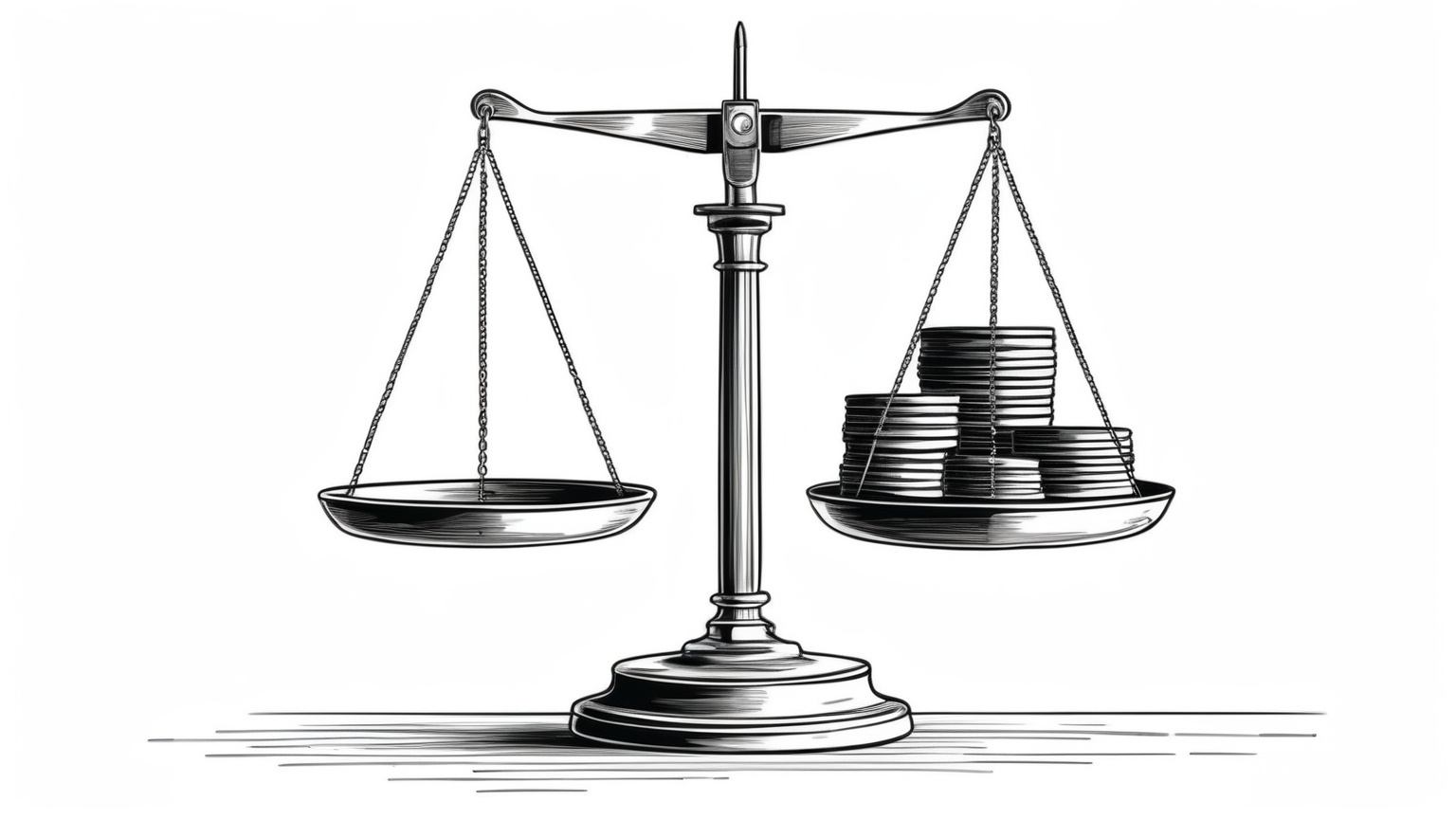
The labs are racing on price now, not IQ
For two years a flagship model reveal had one headline: we're the smartest, here's the benchmark we beat. At Microsoft Build 2026 the headline changed — same league as Opus, but ~10x more output per dollar and 60% fewer tokens. The boast moved from IQ to efficiency, and the whole industry is reorganizing around price, not peak capability. Here's why the axis flipped, and what it means if you build.
- ai-native
- business
- agents

June 4, 2026
The bottom rung is gone
The data is in, and it's specific: AI ate the junior, not the senior. Companies aren't firing juniors — they've quietly stopped hiring them, because the tasks juniors did are exactly what agents now do. It looks efficient. But seniors aren't hired, they're grown — a senior is a junior who survived a few thousand bugs. Cut the juniors to save money now, and you starve the pipeline that makes the seniors you depend on. We're eating the seed corn.
- careers
- ai-native
- business
June 4, 2026
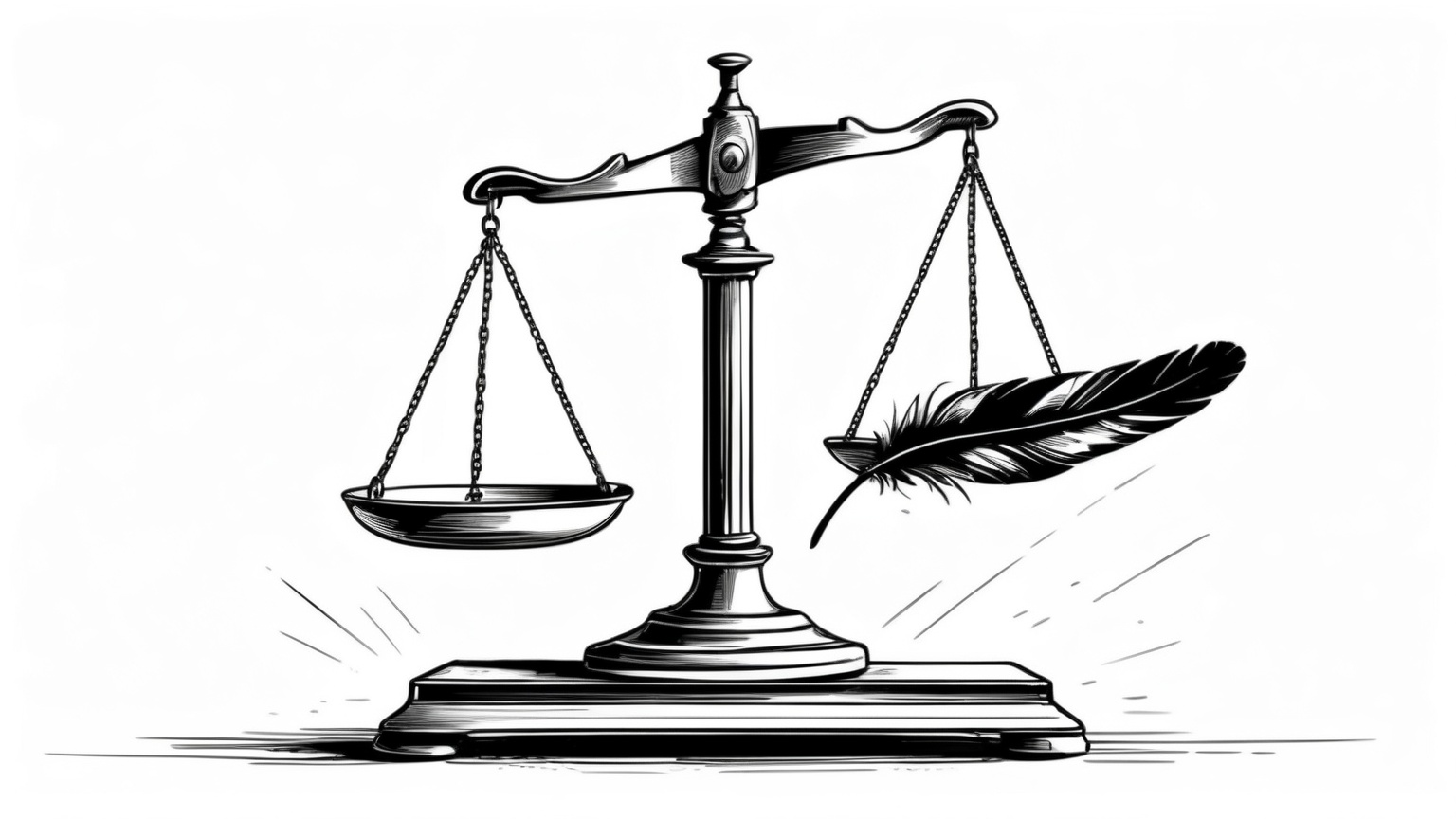
The bill came due
For two years the cost of AI felt like a rounding error. In 2026 the invoice arrived — Uber burned a year's AI budget in four months, Microsoft yanked Claude Code from its own engineers, JPMorgan says tokens are eating internet profits. This isn't a blip. Token billing inverts the economics software was built on, and the cruel twist is that a better agent costs more. Here's what actually changed, honestly.
- business
- ai-native
- agents
June 4, 2026
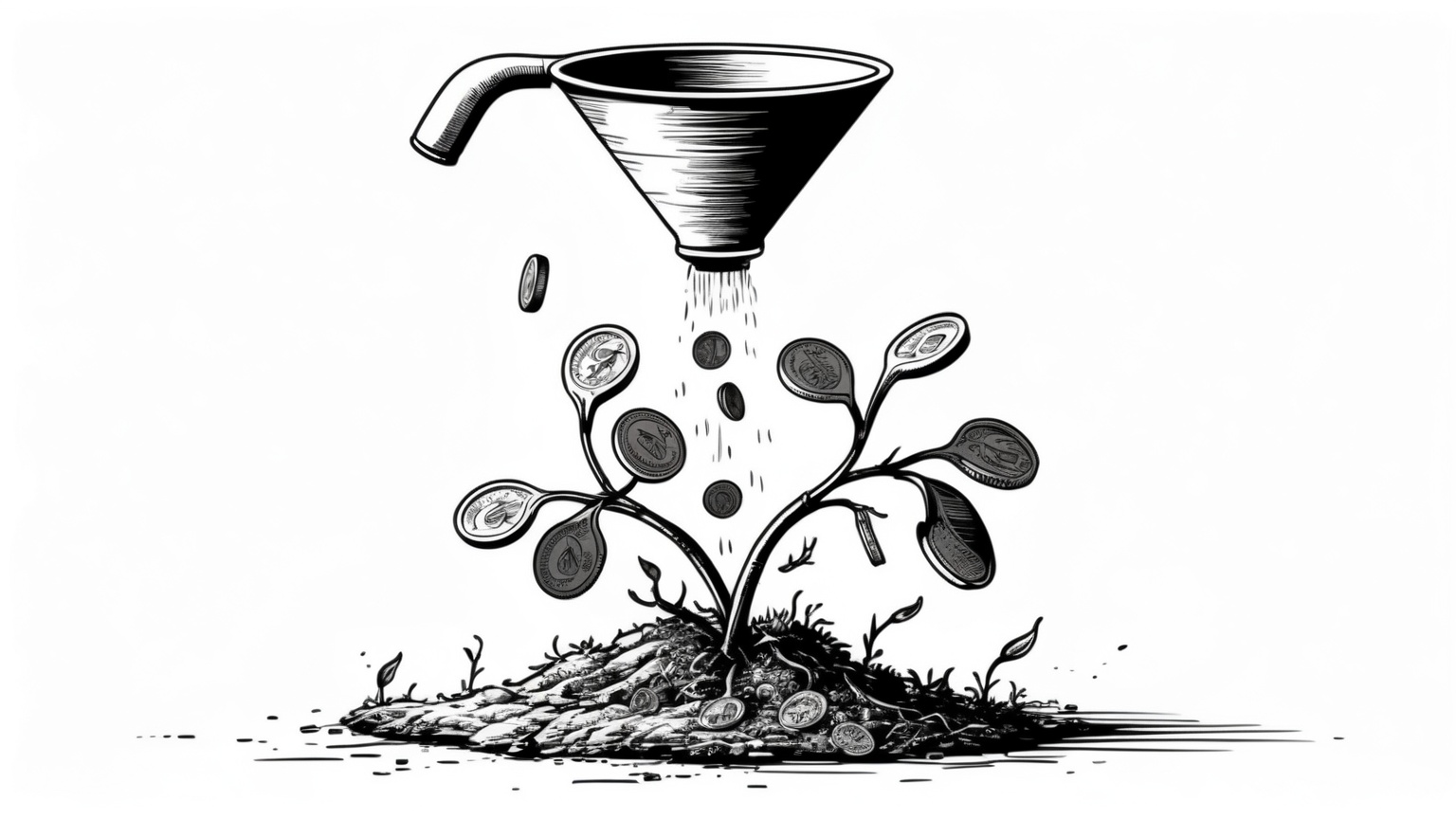
Tokenmaxxing, or Goodhart's law comes for AI
Companies wanted 'AI adoption,' so they measured the easiest proxy — token usage — put it on a leaderboard, and got exactly what they measured: people burning tokens to climb the board, not to do better work. It's a fifty-year-old law eating a brand-new strategy, and now it's expensive twice: you pay for the wasted tokens and you poison the signal you wanted. The fix is old too — measure outcomes, not activity.
- methodology
- business

June 4, 2026
Your org chart can't run agents
Every exec is asking 'is the model good enough yet?' New MIT data says that's the wrong question: 85% of organizations want to be agentic, but 76% admit their own operations can't support it. The blocker isn't model capability — it's that companies are bolting a new kind of worker onto an org chart drawn for humans. An agent has no manager, no career ladder, scoped permissions, and a hallucination rate. Here's the box your chart is missing.
- business
- methodology
- ai-native
June 3, 2026
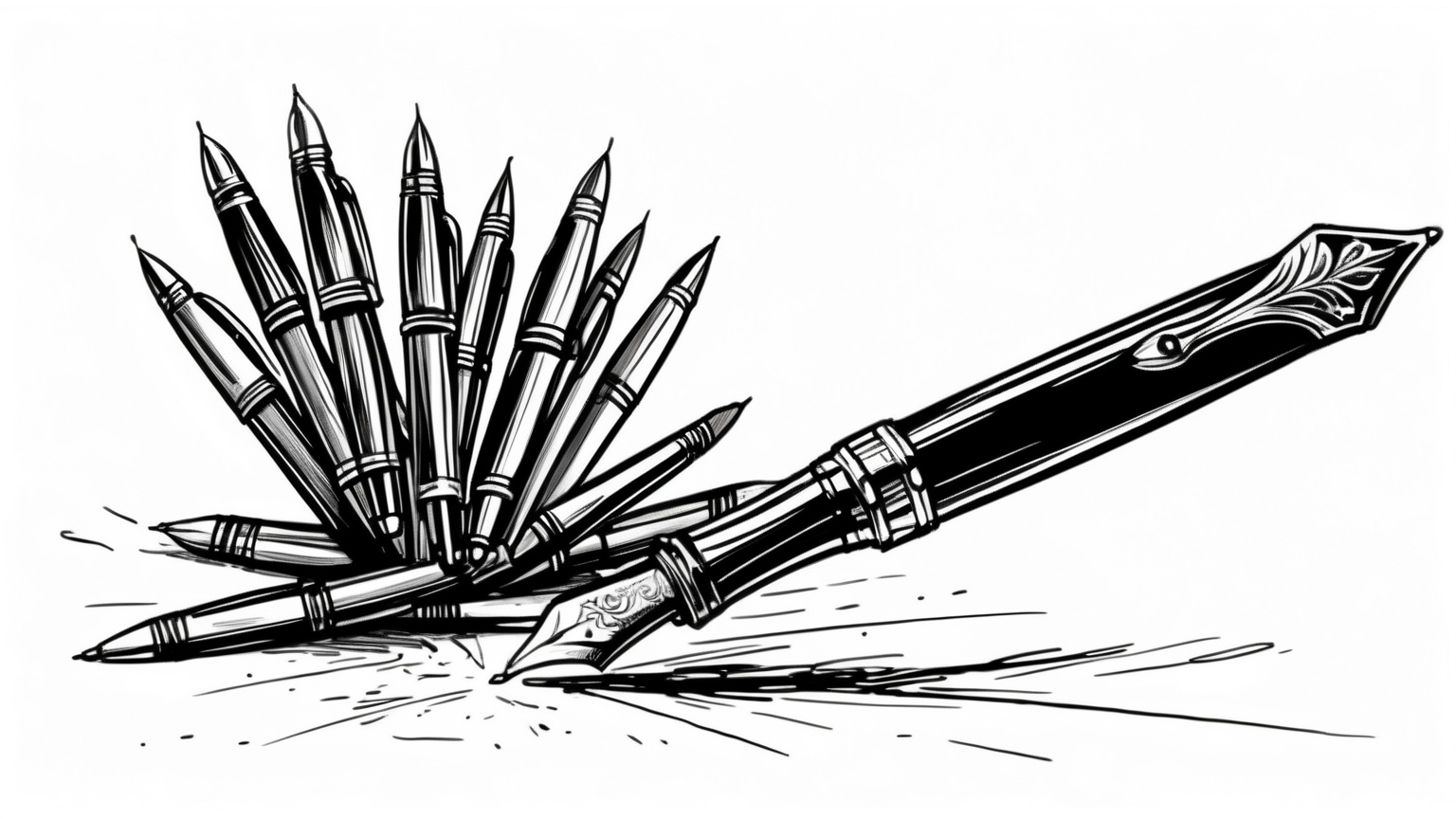
A cheap model can do 90% of the work
The default move is to point the biggest, smartest model at everything. It works in the demo and quietly bankrupts you at scale — because most of what an agent does isn't reasoning, it's mechanical, and you're paying genius wages to read a form. The fix is boring and worth ~90%: let a smart model plan, and cheap models do. Here's the economics, and the one architectural rule that makes it possible.
- agents
- architecture
- business