BUSINESS · June 15, 2026
The Fed is watching AI now
In its May report, the Federal Reserve named AI one of the top risks to the financial system. A year ago, 9% of market contacts called AI a possible shock; this spring it was 50%. Big Tech is spending $725 billion on AI infrastructure in 2026, and the money has run ahead of the returns. When the Fed says 'bubble,' builders panic — but the bubble isn't your job to worry about. Buried in that same report is a risk that is yours: almost everyone now rents from the same handful of providers. Here's the part worth your attention.
The Federal Reserve doesn't usually have opinions about your tech stack. This spring it made an exception. In its May Financial Stability Report, AI jumped from fifth to third on the list of perceived risks to the financial system. A year ago, 9% of the market contacts the Fed surveyed flagged AI as a possible shock. This spring, 50% did.
The backdrop is a wall of money. The five biggest US tech companies are on track to spend about $725 billion on AI infrastructure in 2026, up 77% from the year before, and the returns haven't caught up to the spending. When a central bank starts using the word "systemic," it's easy to read the whole thing as "the bubble is about to pop" and spiral. Don't. The bubble question isn't the useful part of this report. Something else in it is.
"Is it a bubble" is not your question
If you build with AI, whether the market is overvalued is genuinely above your pay grade — and mine. You can't move $725 billion of capex. You can't time the correction. Spending your energy on "is this a bubble" is spending it on a variable you don't control and can't act on, which is the least useful kind of worry there is.
The macro story is real, but it's the Fed's problem, the hyperscalers' problem, and the stock market's problem. Treat it as weather, not as a to-do item. The mistake is letting bubble panic either freeze you ("why build on something that might crash") or goad you ("spend now before it pops"). Both are reactions to a number that has nothing to do with whether your product works.
The part of the report that is your problem
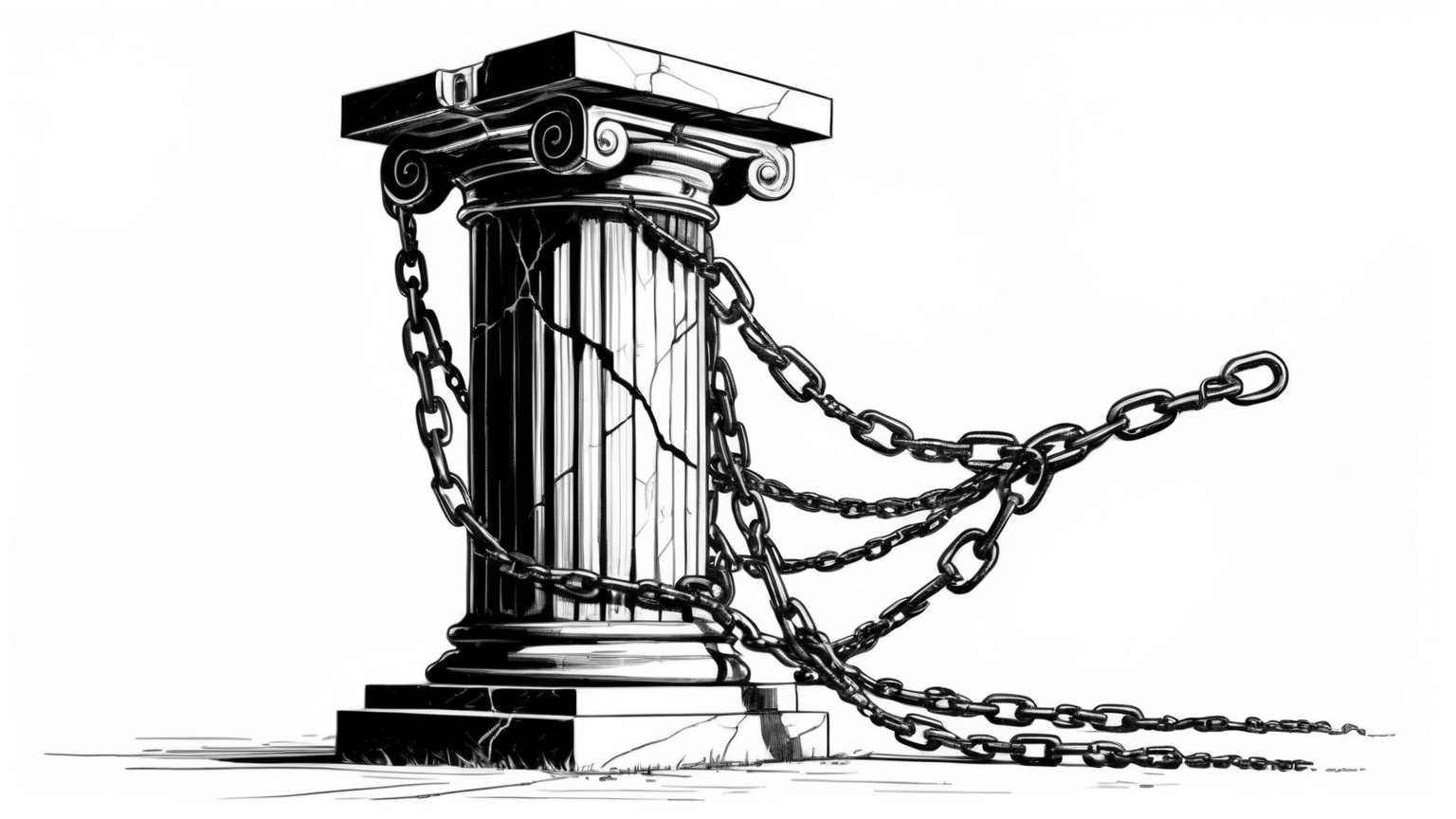
Read past the headline and the Fed names a risk that lands directly on your desk: concentration. Cloud, GPUs, and the top models are dominated by a handful of providers, and almost everyone — including the banks the Fed is actually worried about — now routes their critical work through the same few. The Fed's fear is that an outage or an exploit at one provider could trigger failures everywhere at once, because everyone is leaning on the same pillar.
That is not abstract for you. It's the same single-supplier exposure, just smaller: if your product runs entirely on one provider's model and that provider has a bad morning, so do you. The Fed is describing your architecture risk in macroeconomic language. The systemic version is out of your hands. The local version — can my product survive my main provider going down — is entirely in your hands, and it's the thing actually worth doing something about.
What to do with this
Skip the macro anxiety and act on the concentration signal, because that one you can control:
- Know your single points of failure. Which provider, if it vanished for a day, takes your product down with it? If you can't name your backup, you don't have one.
- Keep the model swappable. Don't wire your product so tightly to one vendor's quirks that leaving means a rewrite. A thin abstraction now is cheap insurance later.
- Spend on returns, not on FOMO. The lesson of the $725 billion is that money has run ahead of value. Don't repeat it at your scale — fund the AI work that already pays back, not the work that's just keeping up with the news.
None of that requires a view on the market. It just requires not betting your whole product on one pillar.
The bottom line
When the Fed flags AI, the instinct is to argue about whether the bubble is real. That argument is entertainment; it changes nothing you do on Monday.
The macro bubble isn't your job. The concentration risk underneath it is. Everyone leaning on the same few providers is the Fed's nightmare and, in miniature, yours — so make sure your product can survive a bad day at your supplier, and let the central bank worry about the rest.
Comments
No comments yet
Sign in to join the conversation.
Be the first to share a thought.