BUSINESS · 8 июня 2026 г.
У облака есть труба
Мы зовём это «облаком», и от этого ИИ кажется невесомым. Он не такой. Каждый промпт проходит через огромные здания, которые жгут настоящее электричество и испаряют настоящую воду, — и стройка уже достаточно велика, чтобы перегружать энергосети, поднимать людям счета за свет и порождать больше 300 законопроектов штатов за один год. ИИ тихо стал одной из самых физических индустрий на земле, и именно этот физический предел — а не алгоритмы — становится тем, что решает, как далеко он зайдёт. Стоит подумать, даже сидя за клавиатурой.
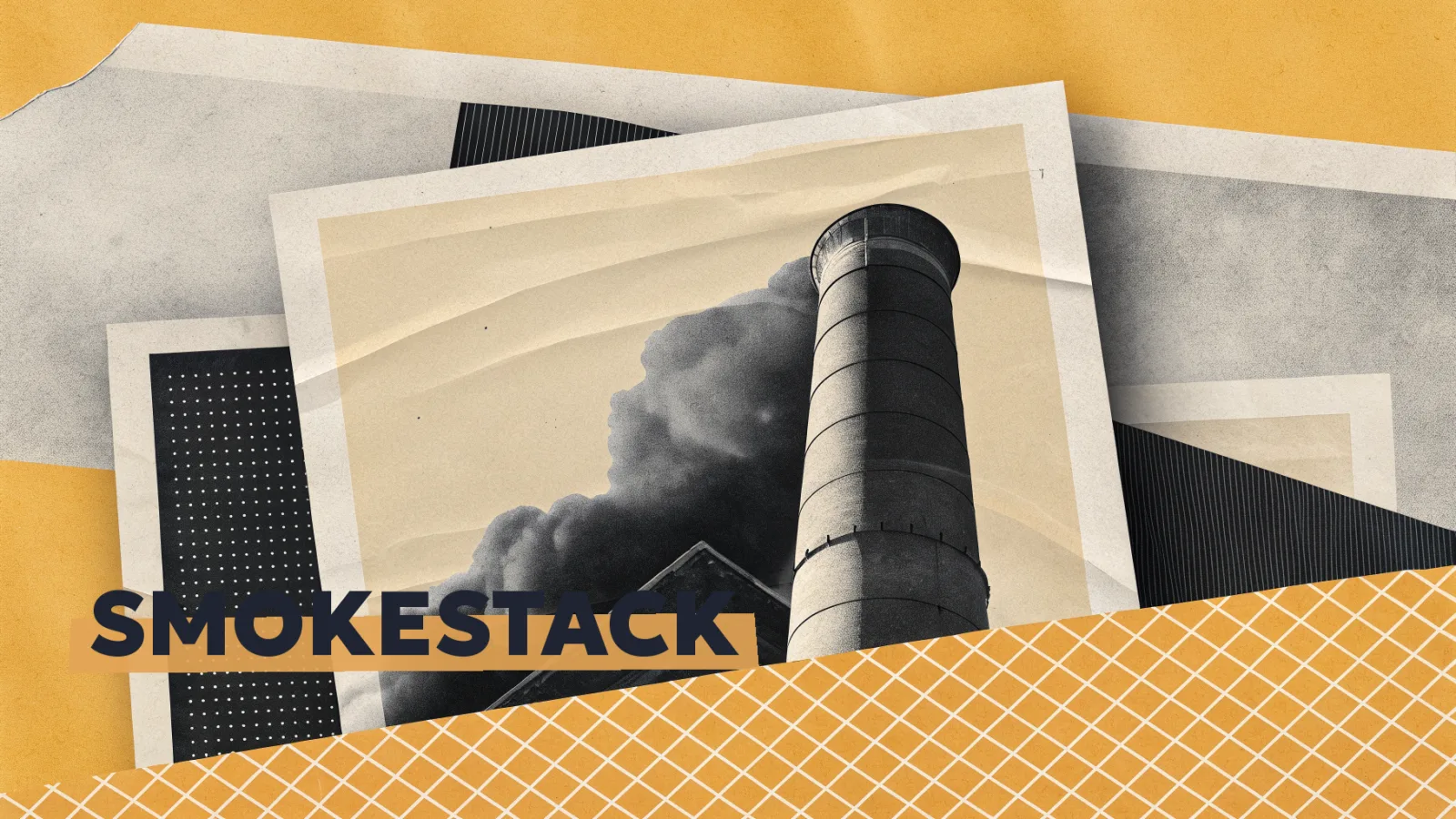
Мы выбрали для этого мягкое, невесомое слово: облако. От него ИИ кажется происходящим нигде — запрос всплывает вверх, ответ опускается вниз. Реальность обратна. Каждый промпт, который вы шлёте, проходит через ангар размером со стадион, набитый чипами, которые тянут огромную мощность и требуют постоянного охлаждения. И в 2026-м этих зданий стало достаточно много, чтобы физическая цена перестала быть невидимой. Она проявляется на энергосетях, в водоносных слоях и в чужих счетах за электричество.
Об этом стоит подумать, даже если вы касаетесь ИИ только через клавиатуру, потому что самое физическое в индустрии тихо становится тем, что её ограничивает.
Цифры уже не маленькие
Начнём с масштаба. Мировое потребление электричества дата-центрами идёт к тому, чтобы примерно удвоиться между 2025 и 2028 — с около 80 до 150 гигаватт, что эквивалентно добавлению страны размером с Испанию за три года. К 2028-му дата-центры могли бы тянуть около 12% всего электричества США. Если бы мировые дата-центры были страной, они уже входили бы в число крупнейших потребителей электричества на планете.
На один запрос звучит крошечно — где-то от 0,3 до 3 ватт-часов, тяжёлый край примерно в десять раз больше поиска Google — плюс вода на охлаждение; по одной оценке 100-словный промпт — около полулитра в худших регионах. Крошечное, умноженное на миллиарды, не крошечно. И часть, которую упускают: бо́льшая часть нового спроса покрывается ископаемым топливом, а некоторые крупные площадки вовсе обходят публичную сеть, чтобы быстро получить мощность. У «облака» есть труба, и прямо сейчас она часто жжёт газ.
Экстерналия превращается в ограничение
Какое-то время энергетическая и водная цена ИИ была экстерналией — реальной ценой, но такой, которую индустрии не приходилось чувствовать. Это заканчивается, и заканчивается самым конкретным способом: местные люди за это платят и дают отпор.
Где дата-центры скапливаются, сети прогибаются. Дата-центры Ирландии уже съедают более 20% электричества страны; Северная Вирджиния, Техас и Финикс сталкиваются с серьёзными затратами на расширение сетей, которые ложатся на плательщиков. Реакция теперь политическая, а не просто ворчание: в 2026-м законодатели более чем в 30 штатах внесли свыше 300 законопроектов по дата-центрам — моратории, откаты налоговых льгот, обязательная отчётность по энергии и воде. Вспомните из статьи про IPO, что комфорт публики с местным дата-центром обвалился с 69% до 35% за три года. Это социальная лицензия, размывающаяся в реальном времени.
Когда ограничивающим фактором перестаёт быть «можем ли построить модель лучше» и становится «можем ли получить мощность, воду и разрешение», вы уже не в программном ограничении. Вы в физическом — а физические ограничения не решаются более умным алгоритмом в следующем квартале.
Что это значит, если вы строите
Вы не управляете дата-центром. Но физическая реальность дотягивается до вашей клавиатуры несколькими способами, над которыми стоит посидеть:
- Перестаньте считать вычисления невесомыми и бесконечными. Ментальная модель «ИИ по сути бесплатен и безграничен» неверна на уровне физики, а не только бюджета. Есть реальный потолок — мегаватты — и он приближается, отчасти поэтому цены и доступность не будут просто падать вечно.
- Эффективность теперь этический и стратегический выбор, а не просто строка расходов. Те же ходы, что режут ваш счёт, — отправка лёгкого маленьким моделям, кэширование, не слать передовую модель на тривиальную работу, — это и ходы, что используют меньше энергии и воды. У расточительного дизайна ИИ теперь есть след, за который платит кто-то другой, и всё чаще регуляторный.
- Ждите, что физический слой будет формировать продуктовый. Дефицит мощности, правила отчётности и моратории повлияют на то, где доступны вычисления, сколько они стоят и как публика относится к ИИ вообще. Строить так, будто этого нет, — строить на допущении, которое уже шатается.
Суть
«Облако» всегда было маркетинговым словом для «чужих компьютеров». В эпоху ИИ это маркетинговое слово для «чужих компьютеров, тянущих электростанцию электричества и реку воды, рядом с чьим-то городом». Ничто из этого не делает ИИ плохим и не значит, что надо перестать строить. Это значит, что невесомая ментальная модель ложна, и те, кто впитает это рано, будут проектировать стройнее, лучше защищать свою социальную лицензию и меньше удивляться, когда мощность — а не сообразительность — окажется связывающим ограничением.
Так что в следующий раз, когда запрос всплывёт, а ответ опустится, помните: это случилось не в облаке. Это случилось в здании с трубой, и счёт за это всё чаще падает на людей, которые промпт не печатали. Стройте так, будто это правда, потому что это правда.
Комментарии
Пока нет комментариев
Войдите, чтобы участвовать в разговоре.
Будьте первым, кто оставит мысль.