BUSINESS · June 15, 2026
The app that burned $15 million a day
OpenAI built the most hyped AI video app in history, then quietly killed it six months later. Sora was reportedly burning around $15 million a day in compute while taking in about $2.1 million in total — not per day, total. People loved it and it still lost money on every single clip. That's the lesson traditional software never taught us: a generative feature has a real cost every time someone uses it, and 'viral' doesn't fix 'loses money per use.' Here's how to check your own AI feature before it does the same thing.
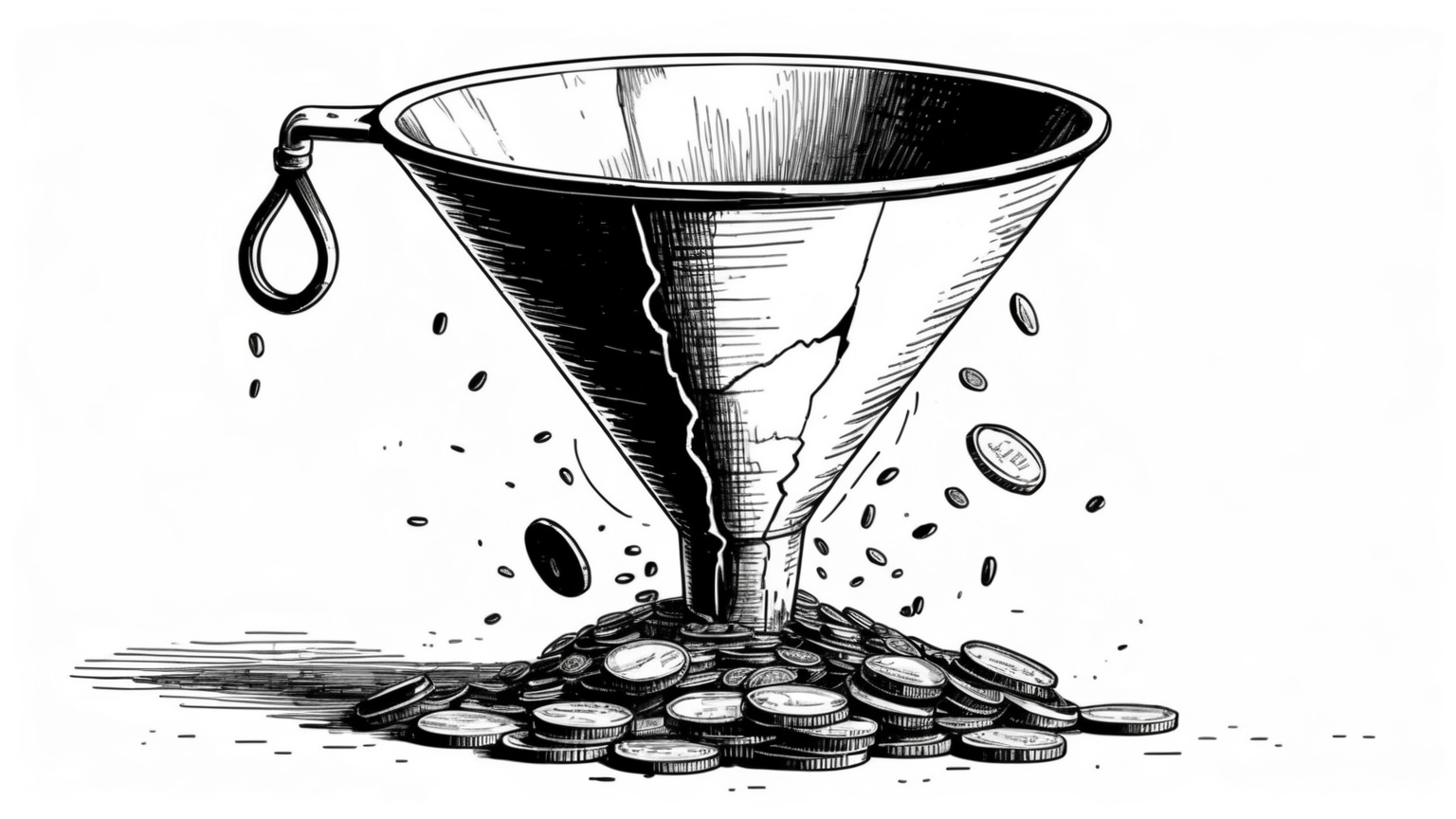
OpenAI shut down Sora, its AI video app, about six months after launch. Not because nobody wanted it — at peak it was one of the most downloaded apps in the world. It died because the numbers were impossible. Sora was reportedly burning around $15 million a day in compute against roughly $2.1 million in total lifetime revenue. A single ten-second clip cost about $1.30 to generate, and people generated a lot of them.
Read those two numbers again. Fifteen million a day going out. Two million, ever, coming in. This wasn't a product that failed to find an audience. It found a huge one and lost money on every person in it. For anyone building an AI feature, Sora is the cleanest cautionary tale of the year, and it's not about video. Let me explain.
Software taught us the wrong instinct
For thirty years, software economics worked one way: building it was expensive, running it for one more user was basically free. Write the app once, and the millionth user costs you almost nothing. That single fact is why "go viral, monetize later" worked. Scale was the reward.
Generative AI breaks that rule. Every clip, every answer, every image runs a model on expensive hardware, and that cost lands every single time, for every user, forever. It never drops to zero. So with an AI feature, going viral isn't the reward — if you lose money per use, scale is the thing that kills you faster. Sora didn't die in spite of its popularity. It died because of it.
"People love it" is not a business
The seductive part of Sora was the engagement. Millions of downloads, endless sharing, the kind of numbers that make a launch look like a triumph. And none of it mattered, because love and unit economics are different things. A feature people adore and that loses a dollar every time they use it is not a business — it's a countdown.
This is the trap waiting for a lot of AI products right now. The demo dazzles, usage climbs, the team celebrates the engagement chart, and nobody has done the boring arithmetic: what does one use actually cost us, and what does one use actually bring in? If the first number is bigger than the second, more users is a bigger problem, not a bigger win. Sora had the best distribution in tech and it still couldn't outrun that math.
Check the math before you scale
You don't need OpenAI's budget to learn this the cheap way. Before you push an AI feature to everyone, do the arithmetic Sora's team apparently hoped to fix later:
- Know your cost per use. What does one generation, one answer, one run actually cost you in tokens or compute? If you can't state it, you can't price it.
- Know your revenue per use. What does that same action bring in? Free features still need an answer here, even if the answer is "it drives paid conversions worth X."
- Pressure-test at scale. Multiply your cost per use by 10x or 100x the users. If that number turns terrifying, popularity is your enemy, and you need a cap, a price, or a cheaper model before you grow — not after.
The fix is rarely "give up." It's a usage limit, a paid tier, routing cheap work to a cheaper model. But all of those have to happen before the bill, not after.
The bottom line
Sora was a triumph of demand and a catastrophe of economics, and OpenAI — which can afford to lose money longer than almost anyone — still pulled the plug. That should tell you how unforgiving this particular math is.
A generative feature pays its cost on every use, so "people love it" and "we can afford it" are two completely different questions. Answer the second one before you scale, because virality won't save a product that loses money per click — it'll just bankrupt it on schedule.
Comments
No comments yet
Sign in to join the conversation.
Be the first to share a thought.