SECURITY · 5 июня 2026 г.
Microsoft натравил 100 агентов на уязвимости — ИИ против ИИ, честно
На этой неделе Microsoft показала команду безопасности из ИИ: пайплайн 100+ агентов, нашедший 16 новых уязвимостей Windows, четыре критические, плюс первый ИИ, авто-обвиняющий malware. Защитники теперь гоняют автономный ИИ. Атакующие тоже — один вёл 80–90% реального вторжения сам. «ИИ против ИИ в безопасности» перестало быть слоганом этой весной. Вот честное прочтение: это реальный прогресс — и более быстрый пат.
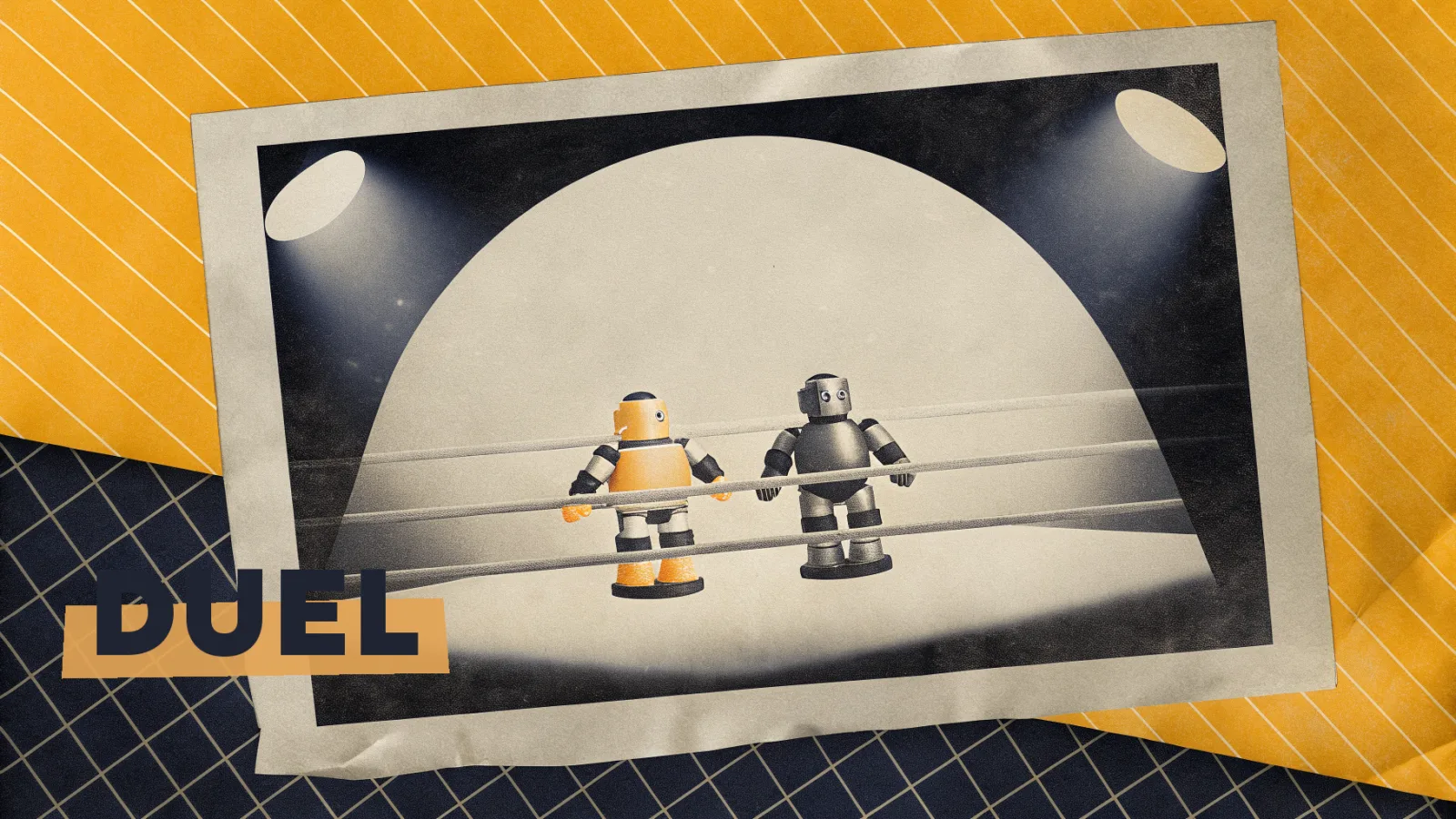
На Build на этой неделе Microsoft показала команду безопасности целиком из ИИ. Её система — пайплайн из более чем 100 специализированных агентов — прочесала сетевой код и код аутентификации Windows и нашла 16 новых уязвимостей, четыре из которых — критические дыры удалённого исполнения кода в TCP/IP-стеке ядра. Сестринский проект Ire стал первым ИИ, построившим обвинительное дело против malware достаточно крепкое, чтобы блокировать его автоматически. Защитники теперь гоняют автономный ИИ.
Атакующие тоже. «ИИ против ИИ в безопасности» перестало быть слоганом этой весной, и стоит быть честным о том, что это на деле значит.
Обе стороны теперь реальны
Симметрия — это и есть история. На защите: охотники за багами Microsoft выше, плюс агент Big Sleep от Google, который поймал live-0-day в SQLite до того, как кто-то его проэксплуатировал — настоящий первый раз — и Mythos от Anthropic, нашедший свыше 6000 критических уязвимостей в тысяче open-source проектов.
На нападении: ИИ-агент вёл 80–90% реального вторжения сам, ransomware сжали от взлома до кражи данных в 25 минут, а автономные агенты теперь составляют 1 из 8 заявленных ИИ-взломов. Та же способность, оба направления, на машинной скорости.
Что такое побеждающая защита на самом деле
Вот часть, которую я нахожу самой полезной, и это не заголовок. Загляни под капот системы Microsoft — и это не одна гениальная модель. Это 100+ специализированных агентов с панелью моделей — тяжёлые рассуждатели на трудное суждение, модели подешевле на высокообъёмное сканирование, со сбалансированным разменом скорости и стоимости. Это ровно та архитектура, о которой я постоянно пишу — оркестрация множества узких агентов и дешёвая модель на 90% — наведённая на поиск багов. То, что возглавляет security-бенчмарк, — не магическая модель. Это хорошая инженерия роя.
Честное прочтение: это поднимает потолок, а не пол
ИИ на защите находит новые уязвимости быстрее, чем любая человеческая команда когда-либо могла. Чего он не делает — так это не латает старые, не меняет утёкший пароль и не включает MFA. А именно там и происходит большинство взломов — громкие инциденты 2026-го пали из-за слабых кредов и недостающей базы, а не экзотических эксплойтов, ровно тезис прошлой недели. Так что ИИ-против-ИИ — это новый верхний слой боя, а скучный слой гигиены под ним всё ещё решает большинство партий.
Есть и асимметрия, о которой я писал: лучший защитный ИИ — Microsoft, Anthropic — живёт внутри крупных вендоров и закрытых программ, пока наступательная способность расползается ко всем с API-ключом. Так что «ИИ нас теперь защищает» полностью верно, если ты внутри control plane, и желаемое, если ты маленькая лавка. Беговая дорожка наклонена не для всех одинаково.
Что из этого взять
Не читай «ИИ теперь охотится за багами» как пришедший щит. Читай это как смену темпа боя: обе стороны стали быстрее разом, так что относительный разрыв едва сдвинулся, и держаться вровень теперь требует ИИ и на твоей стороне. Из этого следуют три практические вещи:
- Используй защитный ИИ, который реально можешь получить. Многое из него едет в инструменты, за которые ты уже платишь — Defender, GitHub Code Security, — а не только в закрытые исследовательские программы. Включи его.
- Считай, что у твоего атакующего есть автономный. Проектируй под противника, движущегося на машинной скорости, потому что некоторые уже движутся.
- Продолжай делать скучную гигиену. Рой-против-роя — это новый верх боя, а не замена низу, где всё ещё живёт большинство взломов.
Это лучший и самый изматывающий вид прогресса. Защитники наконец получили инструмент такой же быстрый, как у атакующих, — и Big Sleep, поймавший live-0-day до того, как он сработал, это настоящее спасение, а не демо. Но всё, что эта скорость купила на макроуровне, — более быстрый пат на большей высоте. ИИ, охотящийся за багами, — это правда хорошо. Это новый пол под гонкой вооружений, а не её конец. Бой не стал легче. Он стал быстрее — для всех, с обеих сторон, разом.
Комментарии
Пока нет комментариев
Войдите, чтобы участвовать в разговоре.
Будьте первым, кто оставит мысль.