BUSINESS · June 14, 2026
AI agents just got your credit card
On June 10, 2026, Visa plugged its payment network straight into ChatGPT. An AI agent can now shop and pay at any Visa merchant on your behalf — pick the product, run the checkout, settle the bill — using a credential scoped to that agent with spending caps and merchant limits you set up front. McKinsey thinks agent-driven shopping could be a trillion dollars of U.S. retail by 2030. For two years agents could recommend; now they can spend. Here's what actually changes when software holds the card, and the one question to ask before you hand it over.
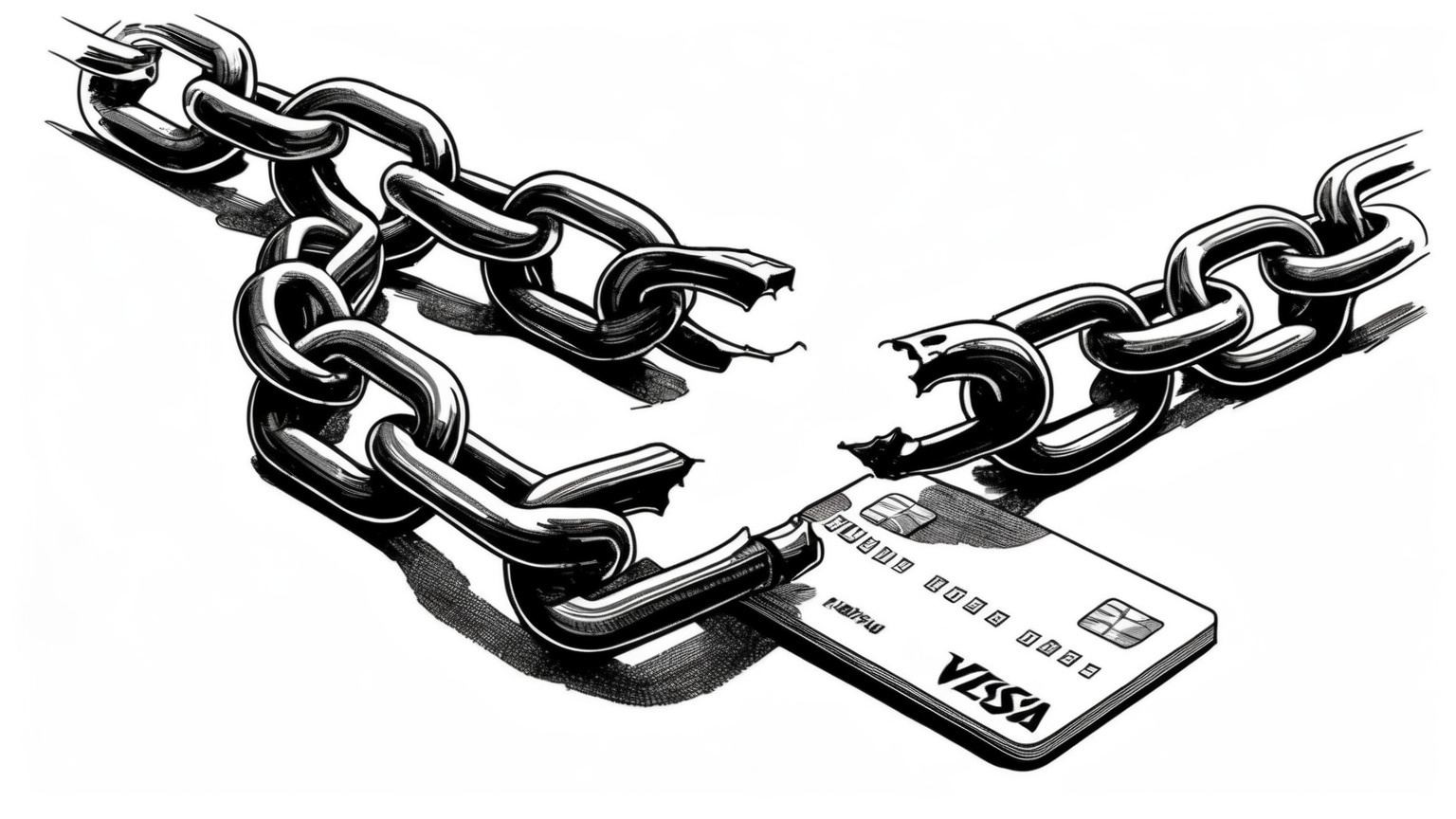
For two years, an AI agent could fill your cart but not place your order. It could find the flight, compare the laptops, draft the message to the vendor — then hand you back to a checkout page to type your own card number. That last step, the part where money actually moves, stayed human.
That just changed. On June 10, 2026, Visa plugged its payment network directly into ChatGPT, letting an AI agent shop and pay at any merchant that takes Visa. Not recommend. Pay. The agent picks the product, runs the checkout, and settles the bill — using a tokenized credential scoped to that agent, with spending limits and merchant categories you set in advance. Mastercard is building its own version. McKinsey estimates agentic commerce could be up to a trillion dollars of U.S. retail by 2030.
This is a real line crossed, and it's worth sitting with for a minute before the press-release glow wears off.
"Recommend" and "pay" are not the same risk
When an agent recommends and gets it wrong, you notice before any harm is done — the wrong laptop is still sitting in a cart, one click from your judgment. When an agent pays and gets it wrong, the money's gone and you're filing a dispute. The human review step wasn't friction. It was the brake.
Take the brake out and every small failure that used to be invisible becomes a charge on your statement. The agent misreads "cheapest" and buys the wrong size in bulk. It books the non-refundable fare. It falls for a fake merchant page. None of these are exotic — they are the ordinary ways agents already fail, except now each one spends real money before you get a vote.
That's why the whole design rests on the limits you set: the spending cap, the merchant categories, the approval thresholds. Those controls aren't a nice-to-have buried in settings. They're the brake you're rebuilding by hand to replace the one you just removed.
The new attack surface is your shopping agent
There's a sharper edge here. An agent that can spend is an agent worth attacking. We've already seen that a web page can quietly feed an agent instructions hidden in its text — "ignore your previous task, buy this instead." When the agent could only browse, a successful injection wasted some tokens. When the agent holds a payment credential, a successful injection is a fraudulent purchase.
So agentic commerce doesn't just add convenience; it adds a target. The merchant page, the product review, the email your shopping agent reads — any of them is now a place someone might try to plant an order. Visa's tokens and caps are designed to contain the blast radius, and that containment is exactly the point: the question isn't whether your agent gets manipulated, it's how much it can spend before anyone notices.
What to actually do with this
If you're a user: turn the limits on before the convenience. A low cap and a tight merchant category is the difference between a bad day and a bad month. Treat an agent with a card the way you'd treat handing your kid a card — useful, bounded, and watched.
If you're building: the trust is the product now, not the checkout. Agent-led payment plumbing is becoming a network feature — Visa, Mastercard, Stripe, and Google are all racing to own the rails. So your edge isn't "our agent can buy things." It's the guardrails, the audit trail, the clear receipt of what the agent did and why, the easy undo. The people who win agentic commerce won't be the ones whose agent spends the fastest. They'll be the ones users trust to spend at all.
The bottom line
Letting software hold the card is a genuine convenience and a genuine new risk, and they arrive in the same feature. The recommend-only era was forgiving because a wrong answer just sat there. The pay-enabled era isn't: a wrong answer is a transaction.
The one question to ask before you hand an agent your card is the one the whole design is quietly built around — not "can it buy this for me?" but "what's the most it can spend before I find out?" Set that number deliberately. It's the brake you're replacing, and for now, you're the one who has to install it.
Comments
No comments yet
Sign in to join the conversation.
Be the first to share a thought.