BUSINESS · June 19, 2026
How you ship an agent that drives in traffic
Uber, WeRide, and AVOMO just announced Spain's first commercial robotaxi service in Madrid. The interesting part isn't the car — it's the rollout: trained safety operators first, hundreds of robotaxis added only as performance milestones are met, the human removed when the numbers earn it. That's the deployment curve every serious agent should follow, software ones included.
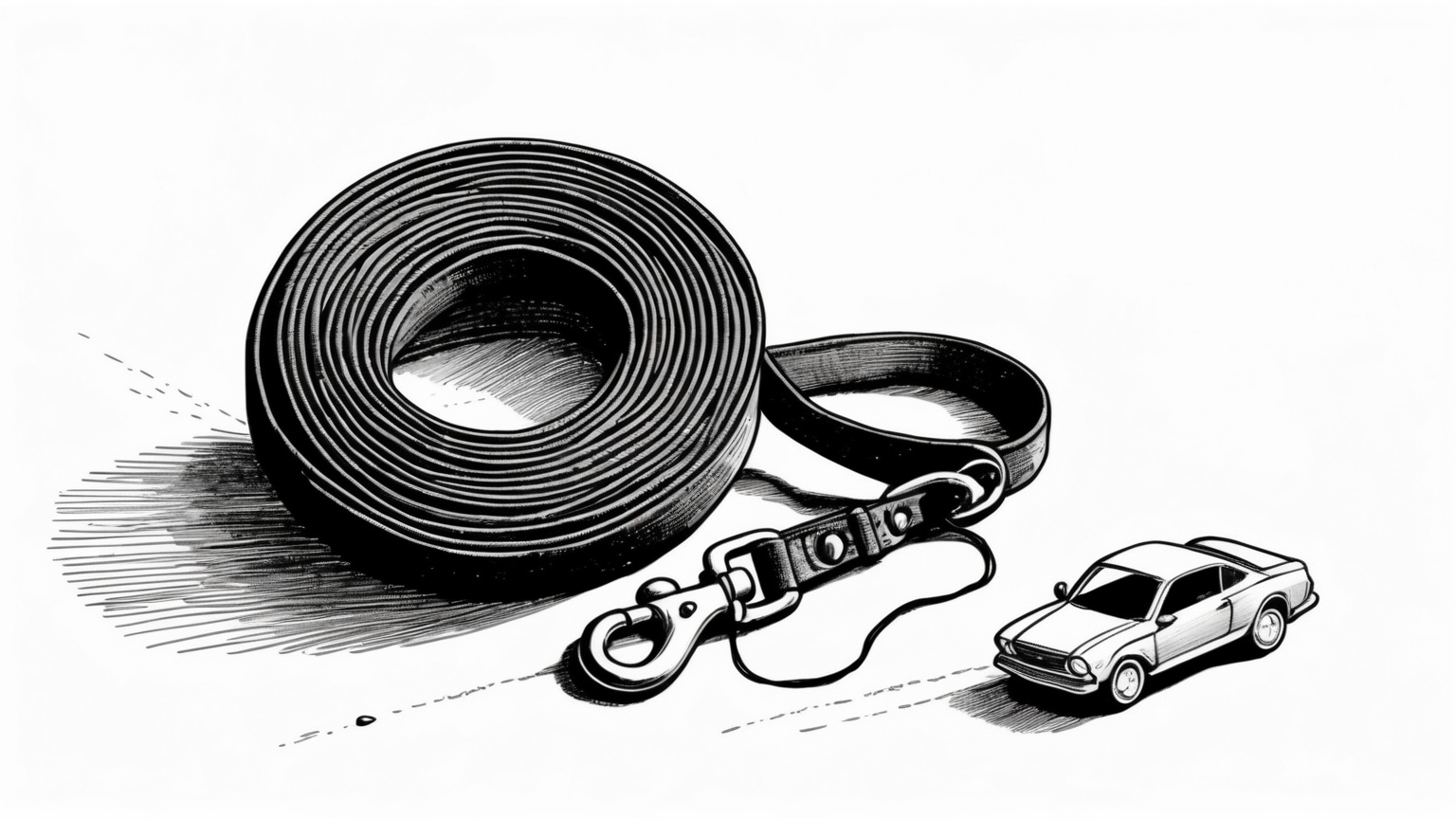
A robotaxi is the most literal "AI agent in the real world" there is: an autonomous system taking real actions with real consequences, in traffic, around people. So it's worth watching how the serious players actually deploy one — because the playbook is a lesson for agents that never touch a steering wheel.
On June 2, Uber, WeRide, and AVOMO announced Spain's first commercial robotaxi service, in Madrid — their first joint move into Europe, with rides booked through the Uber app. And the way they're rolling it out is the whole point.
The rollout is the lesson
They are not flipping a switch and walking away. Per the announcement, the service starts with trained vehicle operators on board, and the partners commit to adding hundreds of robotaxis as key performance milestones are met — expanding to fully driverless only as the metrics clear the bar. Supervised first. Autonomy earned, in stages, against numbers.
That's not timidity. It's how you deploy something that's genuinely capable but genuinely consequential when it's wrong. You keep a human in the loop, you measure relentlessly, and you remove the human only where the evidence says you've earned it.
That curve isn't just for cars
Strip out the wheels and this is the deployment curve for any serious agent:
- Start supervised. A human watches the agent's actions before the agent acts unwatched. The safety operator in the driver's seat is the code reviewer on the agent's pull request, the human approving the payment, the person reading the output before it ships.
- Define the milestones. Decide up front what "good enough to loosen the leash" means, in numbers — error rate, intervention rate, cost, whatever maps to your stakes.
- Earn the autonomy. Remove the human from a step only when measured performance on that step clears the bar. Not when the demo felt good. When the data says so.
I've made this same argument about software agents from the other direction: you don't graduate an agent from supervised to autonomous on vibes; you watch it, you measure it, and you widen its authority as it earns trust. The robotaxi just makes the stakes visible enough that nobody's tempted to skip the steps.
The physical world keeps you honest
The reason this discipline is so obvious with cars is that the failure is loud — a crash is not a silent regression. With software agents the failures are quieter: a bad merge, a wrong payment, a leaked record. The temptation is to skip straight to full autonomy because nothing visibly explodes. Don't. The agent that moves money or ships code deserves the same supervised-then-earned rollout as the one that merges into Madrid traffic — the consequences are just less photogenic.
The bottom line
The robotaxi launch isn't a story about cars. It's a clean template for deploying anything autonomous and consequential.
Start supervised, define the milestones in numbers, and remove the human only when measured performance earns it. That's how you put an agent into traffic — and it's how you should put one into production, even when the only thing that can crash is your codebase.
Comments
No comments yet
Sign in to join the conversation.
Be the first to share a thought.